Children's Nonfiction Insects, Spiders, Etc.
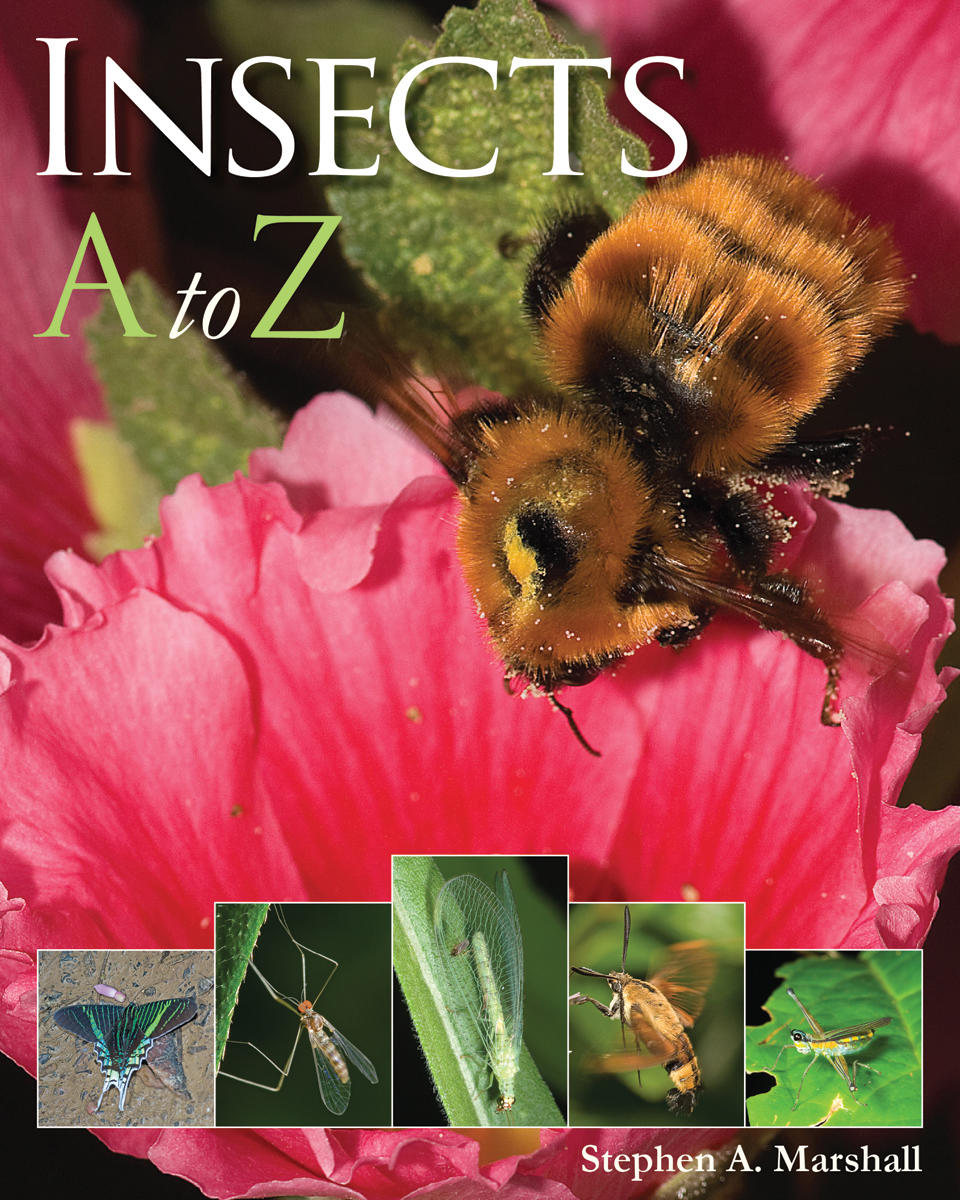
Insects A to Z
- Publisher
- Firefly Books
- Initial publish date
- Sep 2009
- Category
- Insects, Spiders, etc.
-
Hardback
- ISBN
- 9781554075553
- Publish Date
- Sep 2009
- List Price
- $19.95
-
Paperback / softback
- ISBN
- 9781554075034
- Publish Date
- Sep 2009
- List Price
- $7.95
Add it to your shelf
Where to buy it
Recommended Age, Grade, and Reading Levels
- Age: 7 to 10
- Grade: 1 to 5
Description
A beautifully illustrated dictionary of 26 insects.
Insects A to Z uses an accessible and successful format to describe 26 insects. Each page features two full-color photographs of the insect and one or two descriptive paragraphs. There are also the Latin and common names of the order, family, genus and species, as well as information on geographic distribution. Fact boxes for each entry provide at-a-glance information detailing each insect's scientific name, diet, average size and the location at which each was photographed.
The 26 insects are:
- Army ants
- Bumble bees
- Cicadas
- Darner dragonflies
- Earwigs
- Fireflies
- Grasshoppers
- Hummingbird moths
- Ichneumonid wasps
- Jewel beetles
- Katydids
- Lacewings
- Mosquitoes
- Net-winged midges
- Owlflies
- Paper wasps
- Queen termites
- Robber flies
- Spider wasps
- Tiger beetles
- Urania moths
- Viceroy butterflies
- Weevils
- Xylocopid bees
- Yucca moths
- Zebra clubtails.
The book has a varied audience: middle school students exploring topic ideas, younger students interested in wildlife and advanced early readers who still enjoy picture books. Accurate and up-to-date information and an informal presentation make Insects A to Z an engaging view into the world of insects.
About the author
Stephen A. Marshall is a professor of entomology at the University of Guelph, where he developed a major insect collection and carries out research on insect systematics and biodiversity. He has discovered hundreds of new species, several new genera and even two new subfamilies. He is also the author of Insects: Their Natural History and Diversity, a Booklist Editor's Choice Reference selection for 2006.
Editorial Reviews
Offers alphabetical descriptions of everything from army ants through zebra clubtail, with detailed photographs and information boxes that include Latin name, size, and diet. Accompanying informational paragraphs provide family, common name, fun facts, and geographic locations where each species lives. New entomologists will find Insects A to Z fascinating and fun.
New York Botanical Garden Blog
The true measure of any A to Z book is how forced it feels-how many times have we seen authors creatively evading the letter X. In this regard Marshall's book is a success as it cycles through an expansive eye-opening range of creepy-crawlies. It even passes the X test: Xylocopid bees. The text is rich with academic information... This is a godsend for serious young entomologists who will appreciate having their intelligence respected. The big photographs give startling dimension to the leaflike katydids, the delicate lacewings, and the metallic tiger beetles, while insets give a second glimpse of the species. Fact boxes, meanwhile, break down the vital stats. The packaging of the A to Z series may be odd but the contents are impressive.
Booklist


